Firestorm Labs Raises $82M to Put 3D-Printed Drone Factories Inside Shipping Containers
The San Diego defense startup wants to bring drone manufacturing to the front lines, packing HP Multi Jet Fusion 3D printers into 20-foot containers that can produce a flyable airframe in under 24 hours.
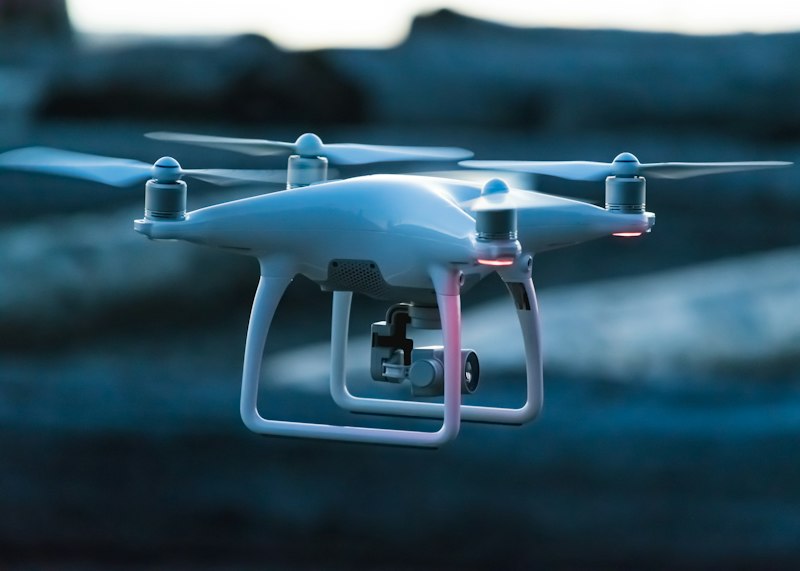
Firestorm Labs on April 29, 2026 announced an $82 million Series B funding round to scale its containerized drone manufacturing platform, bringing the San Diego startup's total funding to $153 million. The round was led by Washington Harbour Partners, with participation from NEA, Ondas, In-Q-Tel, Lockheed Martin, Booz Allen Ventures, Geodesic, and Motley Fool Ventures — an investor list that signals just how seriously U.S. defense and intelligence stakeholders now treat distributed, on-site drone production.
The company's flagship product is xCell, a self-contained manufacturing system that fits inside a standard 20-foot shipping container. Each xCell packs HP Multi Jet Fusion 3D printers, post-processing equipment, and assembly tooling, and Firestorm says a single unit can print a complete drone airframe in under 24 hours. The containers are designed to be flown to forward bases on a C-17 or trucked to remote sites, letting operators produce, repair, and sustain unmanned aircraft far from traditional supply lines.
Firestorm did not start out as a factory company. It launched as a drone maker, but pivoted after customers — including U.S. and allied military units — asked for production capacity closer to where the aircraft were actually being flown. That shift turned the company from one of dozens of drone startups into a play on the broader logistics problem facing modern unmanned warfare: front-line attrition rates that conventional supply chains struggle to keep up with.
With the new funding, Firestorm plans to expand xCell production and stand up full operational deployments in the Indo-Pacific region within the next two years. The deal lands as the Pentagon and allied forces push hard to compress drone development cycles and decentralize manufacturing, a trend accelerated by lessons drawn from Ukraine. By turning the factory itself into a deployable asset, Firestorm is betting that the next defense-tech winners won't just be the makers of better drones, but the companies that can put a drone factory wherever a drone is needed.
Comments
Share your thoughts. Be kind.
Loading comments…